

The cloud has a postcode: who decides where Scotland’s data centres get built?
The cloud sounds weightless. The planning rows it is generating do not. With 49 parliamentary interventions, a Holyrood debate and hundreds of objectors travelling to Edinburgh, Scotland's data centre boom has become a fight over who gets to decide what gets built, and where.
Private Members’ Bills: the lucky seven
Following the Private Members’ Bill Ballot, seven MPs now have the chance to take a bill of their choice through Parliament. So what have the lucky seven chosen, and what challenges do they face?

Two years on: the manifesto authors have left the building
Labour's 2024 manifesto was called, simply, "Change." Two years on, the change that's landed hardest in Westminster isn't any single policy. It's that the elected government, the political operation around the Prime Minister, and the permanent civil service beneath both have all turned over heavily at once and PoliMonitor's own data shows more than a third of Number 10's special advisers have already left, including the person who wrote the manifesto itself.
Assisted Dying Bill Returns: What Happens Next?
The Assisted Dying Bill is back in Parliament. PoliMonitor explores what its reintroduction means, how the Parliament Act could shape its future, and the political hurdles ahead.
Fragile ground: Labour's most exposed MPs as the two-year mark approaches
As Labour's two-year mark approaches, we look at the MPs sitting on the thinnest majorities and what their parliamentary record reveals about how they're responding to the pressure.
Not all bills are equal: the types of bills in Parliament explained
Ahead of the Private Members’ Bill Ballot, read PoliMonitor’s guide to the different types of bills presented in Parliament, how they are introduced, and what shapes their chances of becoming law.
Primary legislation in Parliament explained
With the Government set to bring in a wave of new legislation through the King’s Speech, PoliMonitor has analysed each step of the legislative process to see how their agenda will be passed.


The Liaison Committee: the easiest way to be in the room with the Prime Minister
The Liaison Committee is one of the only forums where the Prime Minister faces hours of sustained scrutiny from Parliament’s most experienced MPs. Held just three times a year, it offers a rare and revealing look at the realities of governing.
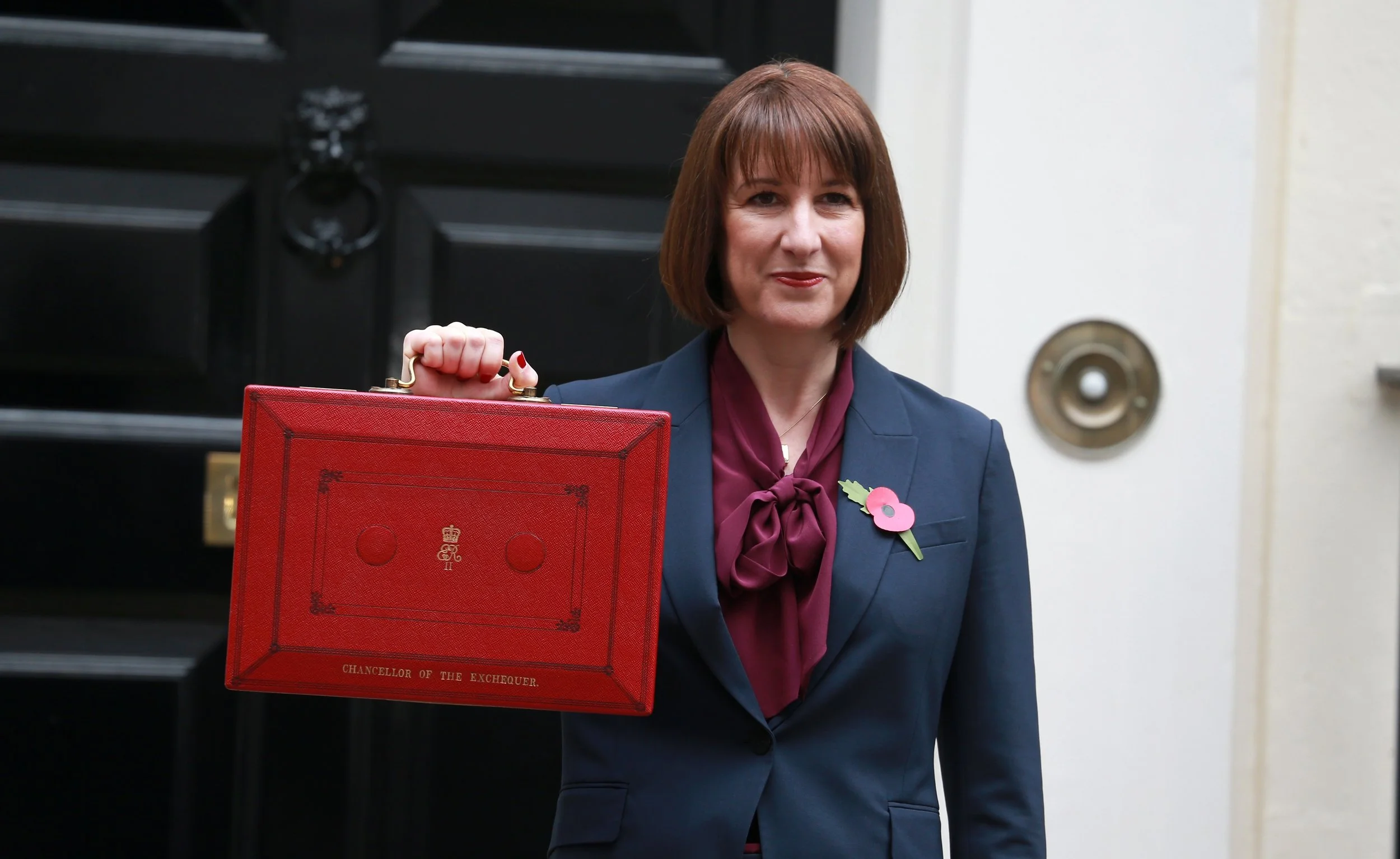
My First Budget ™ (Warning: May come with leaks)
A newcomer’s chaotic introduction to Budget Day: the 2025 leak, political upheaval, and the long, quirky history of Chancellors spoiling their own Budgets.

Unwrapped: behind the ministerial red box
Beyond the festive fiction of Hugh Grant’s charming Prime Minister lies the true weight of the Ministerial Red Box. PoliMonitor’s Head of Content Becca unwraps this “shoulder-dislocatingly heavy relic” to reveal why it endures in an age of digital government. From its lead-lined paranoia to the private secretary’s decisive desk, this is a story about political ritual, human scrutiny, and where influence is truly exercised, long before the lock clicks open.

Do MP defections actually matter?
An MP crossing the floor is a headline event. Beyond the theatre, it poses a direct question about political representation and party loyalty. Recent defections, from Danny Kruger joining Reform UK to the formation of Jeremy Corbyn's "Your Party," are more than personal gambles. They are strategic indicators of deep fractures within the UK's major political blocs.
Public perception is starkly critical. Ipsos polling reveals that 40% of Britons find it unacceptable for an MP to defect, with a significant majority believing it should trigger an immediate by-election. This highlights a core tension. MPs argue they are acting in their constituents' best interests, while voters often feel a mandate has been broken.
Yet for the defectors themselves, the risk can be calculated. Figures like Lee Anderson and Christian Wakeford have not only retained their seats but advanced their careers after switching parties. This suggests voters in some constituencies may tolerate a change of allegiance. The recent history of breakaway groups like Change UK, however, serves as a cautionary tale of swift political oblivion.
In the end, a single defection rarely shifts parliamentary power. Its true impact is diagnostic. Each move acts as a signal, revealing where internal dissent over key issues, from immigration to economic policy, is pushing MPs beyond their party's limits. The defector bets their future on this insight, wagering that their new political home represents the coming trend, not just a passing protest.

Lifecycle of a Spad: turnover, influence, and the machinery of No10
Prime Minister Sir Keir Starmer promised stable, mission-driven government. Behind the scenes, his administration is defined by staff turmoil and a frantic search for a functioning chain of command. This is the story of a "reset to the reset," as Downing Street attempts to move from a chaotic ensemble cast to a narrative with a clear director. The ultimate test will be whether this new wiring can handle the voltage of a full parliamentary term.

The Starmer Sanction: A chronicle of rebellion and whip removal
How do you discipline a majority this large? In his first 14 months as Prime Minister, Sir Keir Starmer has suspended more MPs than Tony Blair did across a decade in office. The reasons range from policy rebellions and messaging breaches to internal conduct. This latest PoliMonitor research briefing charts the rise of what we call The Starmer Sanction: a public, spreadsheet-driven model of discipline that is reshaping the traditional role of the whips. Whip suspensions are no longer rare or symbolic. They are becoming the tool by which control is maintained, even as that control begins to fray.

Behind the Benches: What new 2024 MPs’ Commons Activity Reveals
The 2024 General Election returned the largest intake of new MPs since 1945, ushering in a “fresher-faced” Commons. One year on, PoliMonitor’s Behind the Benches analysis tracks over 72,000 parliamentary contributions from the 2024 cohort from Written Questions and spoken interventions to Early Day Motions.
The findings reveal striking contrasts: Labour’s majority has not translated into high individual activity, with many new MPs cautious in their contributions, while Conservatives, Liberal Democrats, and Greens have leaned heavily on procedural tools to amplify their voice. The data shows how backbenchers are defining their place in Parliament, testing routes to influence, and adapting to the realities of scrutiny under a new government.

Inquiries into Inquiries
With a record 24 public inquiries now active or announced from Grenfell to Horizon, COVID to Orgreave, Britain has entered a new era of governance by investigation. Once tools for truth and accountability, inquiries have become a defining feature of political response: part mechanism, part message. But as costs rise, timelines stretch, and recommendations go unheeded, a deeper question is emerging; are inquiries still delivering justice, or simply deferring it?

Proportional Representation: an unintended consequence?
This year at the Liberal Democrat conference, electoral reform was back on the agenda.
Our Content and Services Officer, Alfie, looks at the party’s renewed push for Proportional Representation exploring claims it could end wasted votes and curb the rise of Reform, while also weighing the unintended consequence of shifting power towards the House of Lords.

What can you do with a Minister Without Portfolio? Quite a lot, actually.
A Cabinet seat without a department but with real influence.
In this PoliMonitor blog, we unpack the political choreography behind the role of Minister Without Portfolio, tracing its use from Thatcher’s fixers to Starmer’s latest reshuffle. Anna Turley’s appointment is no accident, it’s strategy without statute, power without portfolio.