
My First Budget ™ (Warning: May come with leaks)
By Daisy Hill, PoliMonitor’s Client Services Officer
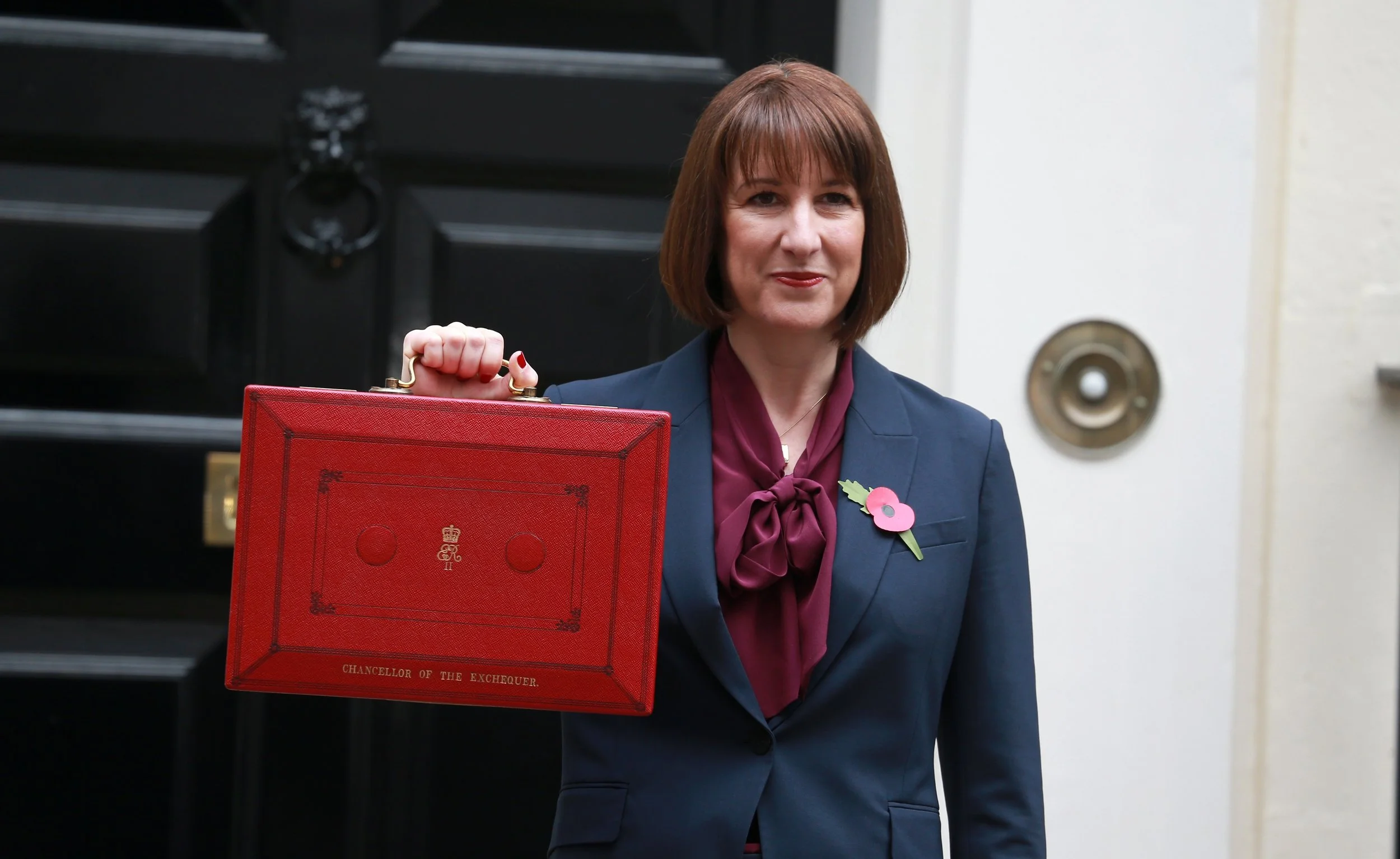
In my third week of working at PoliMonitor, I was lucky enough to experience the chaos that was the November Budget Day 2025.
I’ve always known Budget Days were significant political events. What I wasn’t prepared for was the operational reality, foretold by the office-wide pre-order of poké bowls - which a seasoned colleague noted was the first red flag.
Over the course of the morning, we carried out usual tasks and began preparation for the Budget as 12:30 approached. Of course, the 12:30 start time became academic.
The catastrophic leak of the OBR’s Economic and Fiscal Outlook, forty minutes before Chancellor Rachel Reeves was due to speak, saw to that. The immediate ramifications were stark: a compromised announcement and, by the following Monday, the resignation of OBR Chair Richard Hughes. For us, it meant the frantic download of a document that had just upended the day’s political choreography.
Described as the ‘worst failure’ in the OBR’s fifteen-year history, the leak certainly sets a high bar for modern budget blunders. But as our quick dive into the archives shows, Chancellors have a long and curiously chatty tradition of spoiling their own surprises.
However, Budget days throughout history have not always run smoothly.
In 1947, Labour Chancellor Hugh Dalton was stopped on his way to Parliament on Budget-eve by a Mr John Carvel, a lobby journalist working for the Star. The Chancellor let slip to Carvel several of his key upcoming announcements: "No more on tobacco; a penny on beer; something on dogs and pools but not on horses; increase in purchase tax, but only on articles now taxable; profits tax doubled." The news was printed in early editions of evening papers, and Dalton was forced to resign in apology. Dalton was the first but certainly not the last Chancellor to have had their Budget leaked prematurely. In 1996, an undisclosed source leaked thirty-six government papers to the Daily Mirror, which appeared to be the contents of Conservative Chancellor Kenneth Clarke’s Budget speech.
For sheer, succinct preview power, however, the 2013 leak under George Osborne is hard to beat.
Twenty minutes before his speech, the Evening Standard tweeted its front page, headline and all: “Things Can Only Get Bitter”, a wry nod to taking 1p off a pint. It was a masterclass in how to upstage a Chancellor with a single image.
This year, once the Chancellor had finished and Leader of the Opposition and Leader of the Conservative Party Kemi Badenoch had given her response, the PoliMonitor machine clicked into gear. The goal was clear: transform chaos into clarity for our clients. Teams split across transcripts, instant analysis of key announcements and trawling for critical industry reactions. It was a definitive team effort and by 4pm, distilled briefings were landing in client inboxes. The reward was a brief, collective exhale before turning to the rest of the day’s work, which had the audacity to remain untouched.
Despite the leak-driven chaos and the time pressures, the day was a brilliant start. There was a strange festive adrenaline to Budget Day once the work was done, an energy best debriefed, as tradition dictates, in the pub. It was a sharp lesson in political history, operational pressure and why you always order the poké bowls early.
Roll on the Spring Statement.
