
By Alfie Seymour, PoliMonitor’s Content and Services Officer
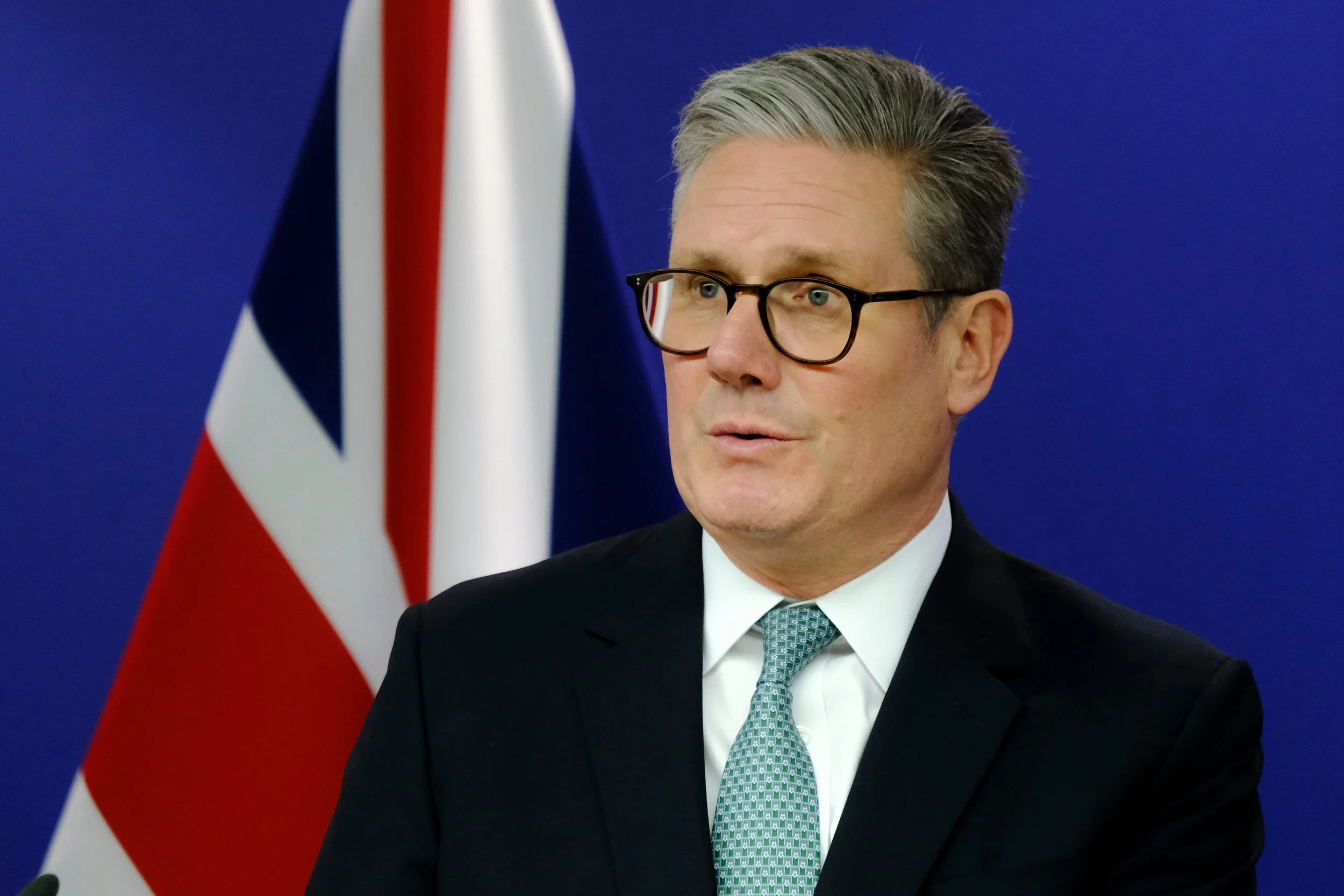
Finding an audience with the Prime Minister of Great Britain and Northern Ireland is no mean feat.
Over the summer, reports emerged that several Labour MPs hadn’t even met Sir Keir Starmer since arriving in Parliament last year. Though he is working to rectify this, having since been making more frequent appearances since the Autumn in the Commons tea room, it’s a telling reflection of how difficult getting in the room with the PM can be.
There is, however, one sure-fire way to find yourself in the same place as a British Prime Minister: the Liaison Committee, the ‘super Committee’ which is comprised of all of the Chairs of the various departmental Select Committees, and which conducts just three Oral Evidence sessions a year with the Prime Minister.
Ok, yes, most of the time will be spent looking at the back of Starmer’s head, and he doesn’t exactly hang around afterwards for a chat with attendees, but attending the Liaison Committee is still an intriguing experience.
On the face of it, the Liaison Committee has the potential to be one of the drier sessions of the year. While getting the Prime Minister to answer questions for several hours is an exciting prospect, the sessions often carry an air of Prime Ministers trying to get through them with as little drama as possible. Rather than being the place to make statements that define the political narrative, the Committee is one of the few times where Prime Ministers try not to be the story.
So what then, is the point of the Liaison Committee if the Prime Minister is simply trying to churn through the questions and make it out the other side unscathed?
The Committee is unique in that it is arguably the only time anyone other than the leader of the opposition can truly interrogate the Prime Minister. MP scrutiny is limited week-to-week to PMQs, where the questions are selected at random, and there is little to no opportunity for follow-ups. The Liaison Committee can force the Prime Minister to go well beyond the pre-rehearsed lines that are repeated every week.
This intense scrutiny means that, no matter how much the PM may try to downplay it, the media will always cover the sessions, as there will always be some headline-grabbing soundbites on the key political issues over the previous several months. July’s session saw a variety of headlines emerge, most notably regarding the recognition of Palestine and the abandoned cuts to Personal Independence Payments.
There is plenty of scope for difficult moments for Prime Ministers under the spotlight of some of Parliament’s most sceptical MPs.
In 2022, just days before his resignation, then Prime Minister Boris Johnson was told by Darren Jones, now the Chief Secretary to the Prime Minister, that “On a very human level, surely you must know that it is in the country’s interests for you to leave now”. Tony Blair faced intense scrutiny over the Iraq War for years. Even in July’s relatively gaffe-free session, Sir Keir Starmer drew scrutiny after suggesting that there is “lots of housing” that authorities could use for temporary accommodation, a remark that raised a lot of eyebrows.
Even with impeccable briefing, it’s hard to avoid cracking under pressure from Select Committee Chairs who have a wealth of experience in drawing answers from obstinate witnesses.
So what’s the value in going to the Committee?
Attending is simple. Arrive at Parliament around an hour before the start time, go through security, and you will be ushered to a seating area overlooking the main lobby of Portcullis House, arguably the best place for any political junkie to do some people watching. It’s worth arriving early, as the Committee room will fill quickly. One person I spoke with there said that when Boris Johnson attended the Committee in July 2022 at the end of his tenure as PM, the queue was going all the way around the upper floor.
Being in the room provides the opportunity to get a far better measure of the atmosphere of the session compared to simply watching the session on BBC Parliament. While you won’t be able to fully catch the expressions of the PM, the reactions to his answers by the Committee’s various members are well worth watching. A particular highlight of the last session in July was the increasingly unimpressed look of Business and Trade Committee Chair Liam Byrne to many of the PM’s answers.
In a sense, the Liaison Committee is where we see a Prime Minister at their most vulnerable. If PMQs is a brief TikTok video, a macro-level “Punch and Judy” politics which is over in thirty minutes, the Liaison Committee is a multi-part documentary: providing a granular, yet all-encompassing look at the actual grind of governing.
